The journey of chance tracing the historical evolution of gambling
Origins of Gambling in Ancient Civilizations
The history of gambling can be traced back to ancient civilizations, where games of chance were deeply embedded in cultural practices. Archaeological findings suggest that as early as 3000 BC, Chinese cultures engaged in gambling activities through rudimentary games involving dice and betting on the outcomes of various events. Similarly, ancient Egyptians participated in games that involved both skill and luck, showcasing how gambling was interwoven into social interactions and entertainment in those times.
In Mesopotamia, artifacts reveal the use of gaming pieces and dice, indicating that the practice was not only for leisure but also linked to rituals and divination. As societies evolved, gambling became a symbol of social status, with nobility often partaking in lavish bets that reflected their wealth. Through these early instances, gambling transitioned from mere pastime to a significant aspect of social life, setting the foundation for its eventual commercialization.
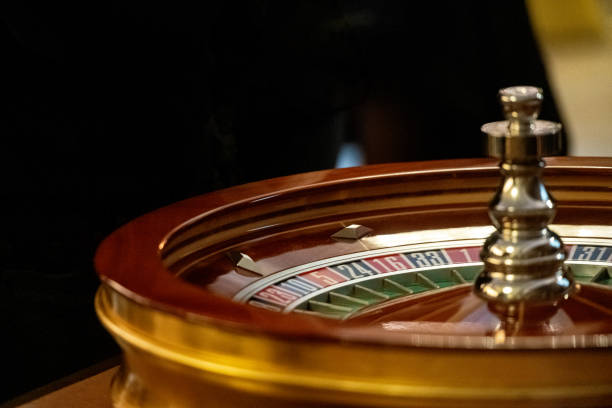
These ancient forms of gambling introduced fundamental concepts that remain relevant today, such as probability and chance. They established the idea that outcomes could be influenced by both skill and luck, a dichotomy that continues to define modern gambling. Furthermore, ancient rules and structures laid the groundwork for formalized gambling practices, paving the way for the development of organized gambling in later civilizations.
The Rise of Organized Gambling in the Middle Ages
The Middle Ages marked a significant turning point in the evolution of gambling, particularly with the establishment of games like chess and backgammon, which combined elements of strategy and chance. Gambling became more structured during this period, with the creation of formal rules and regulations governing various games. This formalization was pivotal, as it not only elevated the status of gambling but also attracted the attention of governments looking to regulate and tax this growing industry.
During this era, lotteries emerged as a popular means of gambling, often used to fund public projects and charitable causes. Governments recognized the potential revenue from these games of chance and began sponsoring them, leading to the establishment of state-run lotteries. This development marked the transition from private gambling to state-sanctioned operations, changing the landscape and perception of gambling as a whole.
As gambling spread throughout Europe, so did its reputation. While some viewed it as a vice, others embraced it as a form of entertainment. This duality of perception played a crucial role in shaping legislation and societal norms surrounding gambling. The rise of gambling houses and the establishment of casino-like environments began to take shape, leading to the emergence of organized gambling as an integral part of the cultural fabric during the Renaissance and beyond.
The Impact of the Industrial Revolution on Gambling
The Industrial Revolution catalyzed significant changes in gambling, paralleling broader societal shifts. With urbanization came increased leisure time, and gambling establishments adapted to the needs of a burgeoning urban population. The introduction of mechanical devices, such as slot machines, revolutionized the gambling experience, making it more accessible and enticing. These innovations contributed to the rapid growth of gambling venues in cities, transforming them into bustling centers of social interaction.
Moreover, the advent of railways and improved communication systems facilitated the transport of people to gambling hubs, such as Monte Carlo and Las Vegas. The allure of these destinations grew, further embedding gambling within popular culture. The association between gambling and glamour began to take hold, with casinos becoming synonymous with luxury and excitement, attracting not just gamblers but also tourists seeking entertainment.
The Industrial Revolution also introduced issues of regulation and reform. As gambling became more prevalent, concerns arose regarding addiction and exploitation. This led to the implementation of various legal frameworks aimed at protecting consumers and regulating gambling operations. Consequently, the period marked a crucial intersection between entertainment, economics, and ethics in gambling, laying the groundwork for ongoing discussions about responsible gambling practices.
The Evolution of Gambling in the 20th Century
The 20th century witnessed a remarkable transformation in gambling, driven by technological advancements and changing societal attitudes. The proliferation of casinos, particularly in the United States, marked a significant shift toward legalized gambling. With states like Nevada leading the way, the casino industry expanded rapidly, offering an array of games that catered to diverse audiences. The glamour associated with these establishments became a powerful marketing tool, turning gambling into a mainstream form of entertainment.
Additionally, the rise of the internet in the late 20th century ushered in a new era for gambling. Online casinos emerged, providing users with unprecedented access to gambling opportunities from the comfort of their homes. This digital revolution not only democratized gambling but also led to the creation of new forms of betting, such as sports betting and online poker, further diversifying the gambling landscape.
As gambling evolved, so did the conversations around regulation and ethical considerations. Governments began to recognize the need for effective oversight to address issues such as problem gambling and fraud. Responsible gambling initiatives gained traction, with organizations and casinos working together to promote safe gambling practices. This commitment to consumer protection has continued to shape the industry, emphasizing the importance of balance between entertainment and responsible participation in gambling activities.
The Modern Era of Gambling and Online Platforms
In the contemporary landscape, online gambling platforms have become increasingly popular, revolutionizing how individuals engage with games of chance. Websites like Shikaka Casino exemplify this trend, offering a vast array of gaming options that cater to a global audience. With features such as live dealer experiences and mobile compatibility, these platforms provide an immersive gambling experience that rivals traditional brick-and-mortar casinos.
and similar platforms prioritize user experience, employing advanced security measures to protect player data and ensure safe financial transactions. The implementation of technologies like 256-bit SSL encryption has become standard, addressing concerns around privacy and security. Additionally, generous promotions, such as welcome bonuses and ongoing rewards, attract new players while retaining loyal customers, making online gambling more enticing than ever.
Furthermore, the continuous evolution of technology has led to innovations such as virtual reality gambling and blockchain-based gaming, which promise to redefine the gambling experience. As the industry grows, so does the emphasis on responsible gambling practices, with platforms adopting measures to promote safe and informed betting. The modern era of gambling reflects a blend of tradition and innovation, illustrating how the journey of chance continues to evolve while remaining deeply rooted in history.
Leave a Reply