Unlocking the mind Understanding psychological triggers in casino environments
The Allure of Casino Environments
Casinos are meticulously designed environments that capture the human psyche’s attention and elicit specific responses. From the moment a patron enters a casino, they are enveloped in a sensory experience created by vivid colors, flashing lights, and the intoxicating sounds of slot machines and table games. This carefully crafted atmosphere aims to spark excitement and evoke a sense of urgency, compelling players to engage in gambling activities, often beyond their initial intentions. The allure lies not just in winning money but in the thrill of the game, which casinos have perfected over decades of psychological study. Players can easily immerse themselves while enjoying enticing features like payid online pokies, which add to the overall experience.
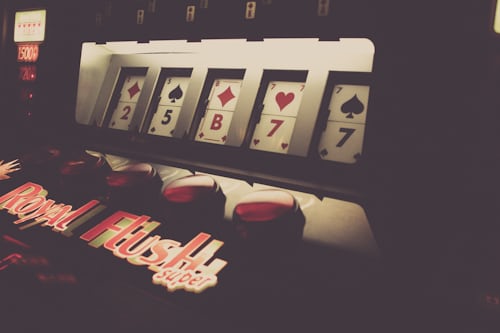
Research has shown that casinos employ various design elements to enhance their appeal. For example, the strategic placement of games and the use of specific lighting can create a sense of adventure and exploration. Patrons might find themselves navigating deeper into the casino, encountering new games and opportunities along the way. This journey keeps players engaged for longer periods, often leading to increased spending as they chase the next big win or simply enjoy the immersive experience. Ultimately, the allure of the casino environment is a masterclass in psychological engagement.
Moreover, the role of color psychology cannot be understated in casino design. Bright colors like red and gold are commonly used to evoke feelings of excitement and prosperity, while darker tones can create a sense of mystery. These choices are not arbitrary; they are based on extensive research into how colors can influence mood and behavior. By creating an environment that stimulates the senses, casinos effectively encourage patrons to lose track of time and money, heightening the potential for gambling addiction and overindulgence.
The Power of Reinforcement
One of the primary psychological triggers utilized in casino environments is the principle of reinforcement, particularly positive reinforcement. This occurs when players experience immediate rewards, such as winning a small jackpot or receiving complimentary drinks. These rewards create a psychological association between gambling and pleasure, reinforcing the behavior and encouraging players to continue. The intermittent rewards characteristic of slot machines, where a win can occur unpredictably, heighten this effect, making it difficult for players to walk away.
Moreover, casinos often employ loyalty programs that reward frequent players with exclusive bonuses, free spins, or discounts on food and beverages. This strategy serves to create a sense of belonging and exclusivity, further binding players to the casino. When individuals feel recognized and rewarded for their loyalty, they are more likely to return, often with an increased willingness to spend. The underlying psychological mechanism here is that these rewards serve as a motivator, leading to habitual gambling behavior that can spiral out of control.
The role of reinforcement extends beyond financial rewards; social reinforcement is also significant. Many casinos create social environments that encourage interaction among patrons, fostering a sense of camaraderie and shared excitement. Whether at a lively poker table or a bustling slot machine area, the collective energy can amplify individual enjoyment and compel players to stay longer. This social aspect plays on the human desire for connection, further deepening the psychological triggers at play within casino settings.
The Influence of Sound and Music
Sound plays a crucial role in shaping the casino experience and influencing player behavior. The background music in casinos is carefully curated to enhance the ambiance and create a sense of energy. Upbeat and fast-paced music can stimulate excitement, encouraging players to engage more actively with the games. Conversely, softer tunes can promote relaxation, making patrons feel comfortable and less inclined to leave the gaming floor. This strategic use of sound is a powerful psychological trigger that can shape the way players experience their time in the casino.
Additionally, the sounds of slot machines, with their bells, whistles, and celebratory jingles, serve as auditory rewards that signal wins, regardless of their size. These sounds create a sense of achievement and reinforce the player’s desire to keep spinning the reels. The auditory feedback, combined with the visual stimulation of flashing lights, creates an intoxicating experience that keeps players returning for more. Casinos exploit this sensory combination to create a psychologically addictive cycle that often leads to prolonged gambling sessions.
Furthermore, the absence of clocks and windows in many casinos serves to manipulate time perception. Players can lose track of time in the immersive environment, further contributing to extended gambling sessions. This design choice is intentional, making it easier for patrons to stay in the casino for longer periods without considering their time or financial limits. By controlling the sensory experiences within the environment, casinos create an atmosphere where players feel less inclined to leave, effectively capitalizing on their psychological triggers.
The Role of Cognitive Biases
Cognitive biases are another critical factor in understanding psychological triggers within casino environments. One common bias is the illusion of control, where players believe they can influence outcomes in games of chance, such as dice rolls or card draws. This bias leads players to engage more deeply with the games, as they feel a false sense of mastery over their fate. Casinos often encourage this perception through game design, such as allowing players to choose their bet sizes or the pace of play, thus feeding into this cognitive distortion.
The gambler’s fallacy is another prominent cognitive bias that can influence behavior in casinos. This fallacy leads players to believe that past outcomes can affect future results, often leading them to make irrational decisions. For example, a player might think that a slot machine is “due” for a win after a series of losses. Casinos are aware of these biases and may design their games and marketing strategies to exploit them, creating an environment where players feel compelled to keep gambling despite the odds.
Understanding cognitive biases can provide valuable insights into the psychological triggers at play in casino environments. By recognizing these biases, players can make more informed decisions and potentially mitigate the risks associated with gambling. However, the allure of the casino and its ability to manipulate psychological factors often makes it challenging for individuals to resist the pull of these biases, emphasizing the need for awareness and education in gambling contexts.
Your Guide to Responsible Gaming
As you navigate the complex and enticing world of casinos, it’s essential to approach gambling with a mindset rooted in responsibility. Understanding the psychological triggers at play can help you make informed decisions and engage with gaming in a way that minimizes risks. Whether you’re drawn in by the allure of bright lights, the excitement of winning, or the social atmosphere, being aware of these influences can empower you to enjoy your experience without overindulgence.
Engaging with casinos can be a thrilling experience, but it is crucial to set personal limits. Establishing a budget before you play and sticking to it is a key strategy for responsible gaming. Additionally, taking regular breaks to step away from the gaming floor can help maintain perspective and prevent loss of control. By being conscious of your emotional and financial states, you can enjoy gambling as a form of entertainment rather than a financial burden.
Ultimately, the insights gained from understanding psychological triggers in casino environments can enhance your experience. By recognizing how design, sound, and cognitive biases work together to influence behavior, you can make better choices and enjoy the excitement of gaming responsibly. This awareness is not just beneficial for players; it can also contribute to a healthier gambling culture overall, ensuring that casinos remain a source of enjoyment rather than a pathway to addiction.
Leave a Reply